

YC – YR Product Systems
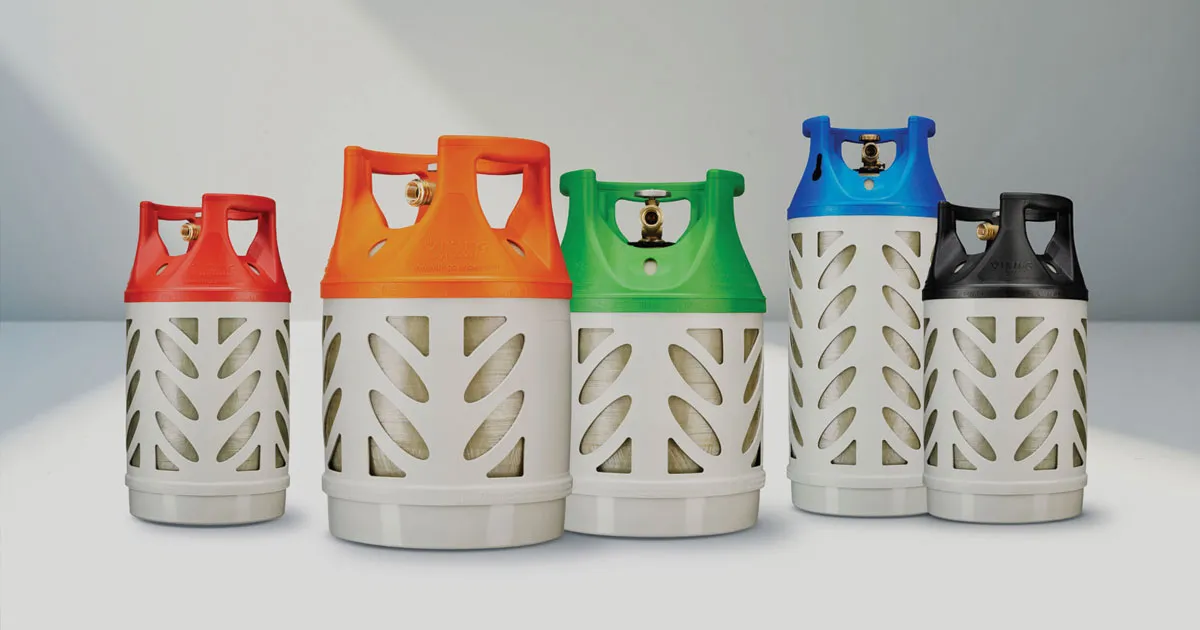
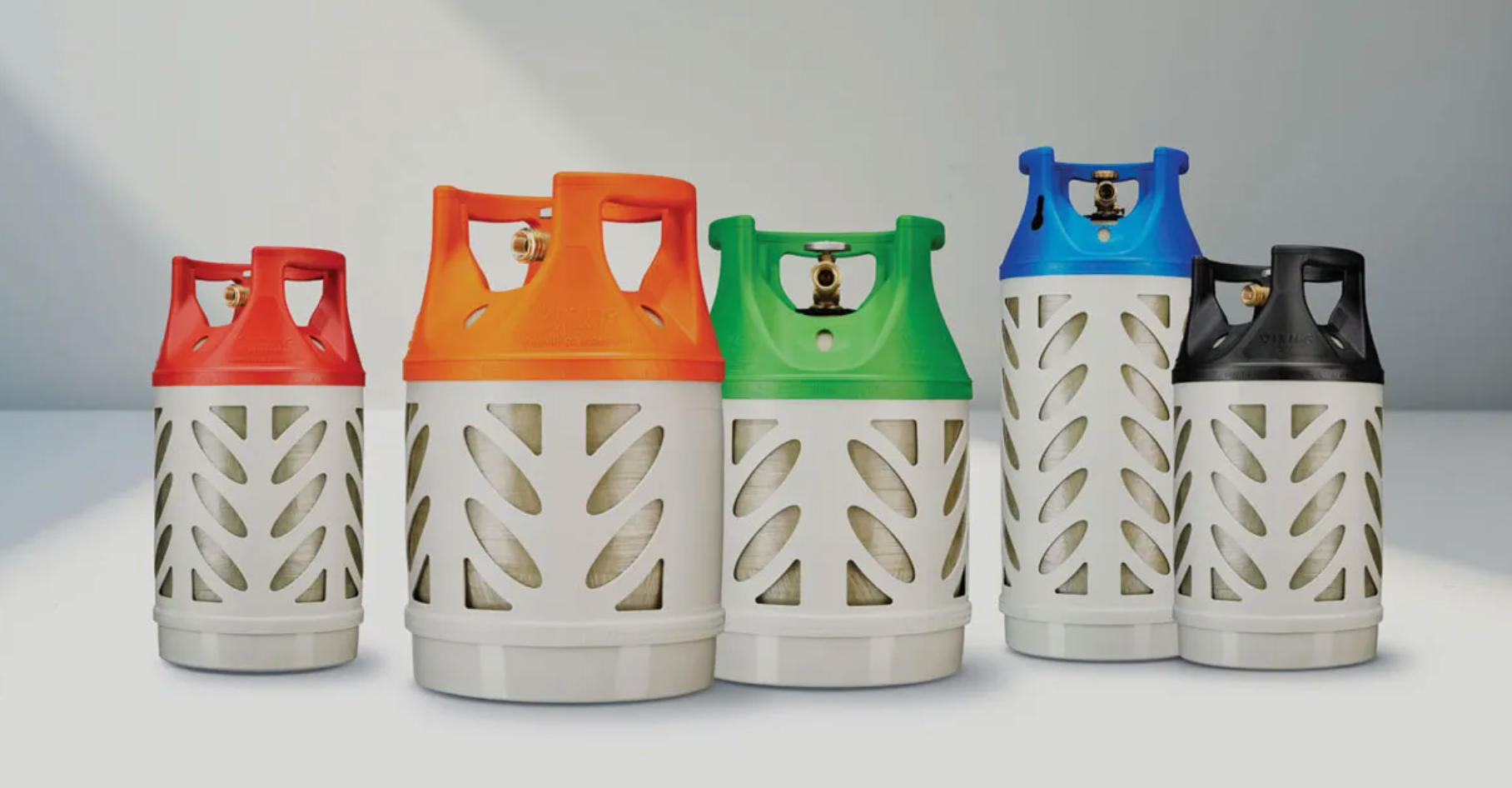
These systems are specifically designed for manufacturing high-performance flooring, utility poles, traffic light poles, and gas tanks.

Construction process

2. Application scenarios
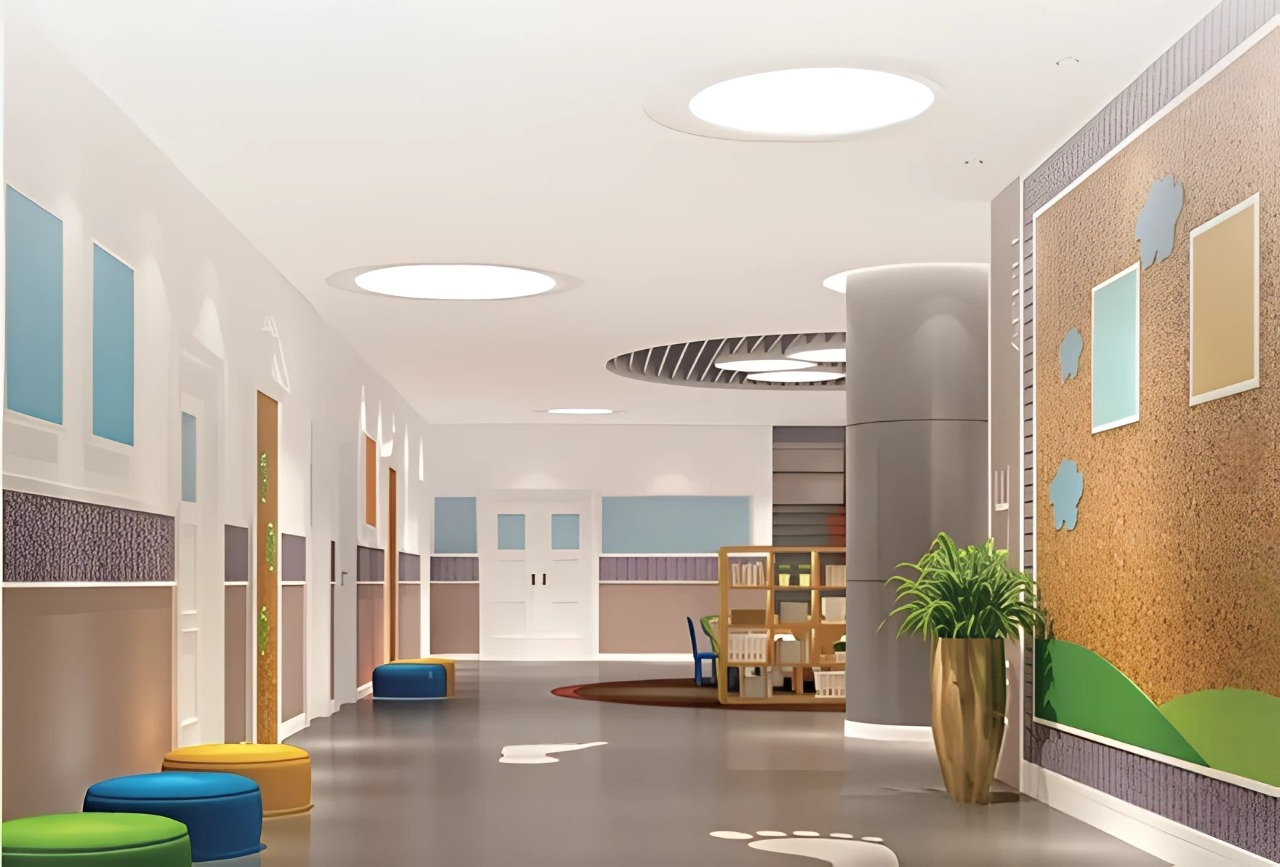
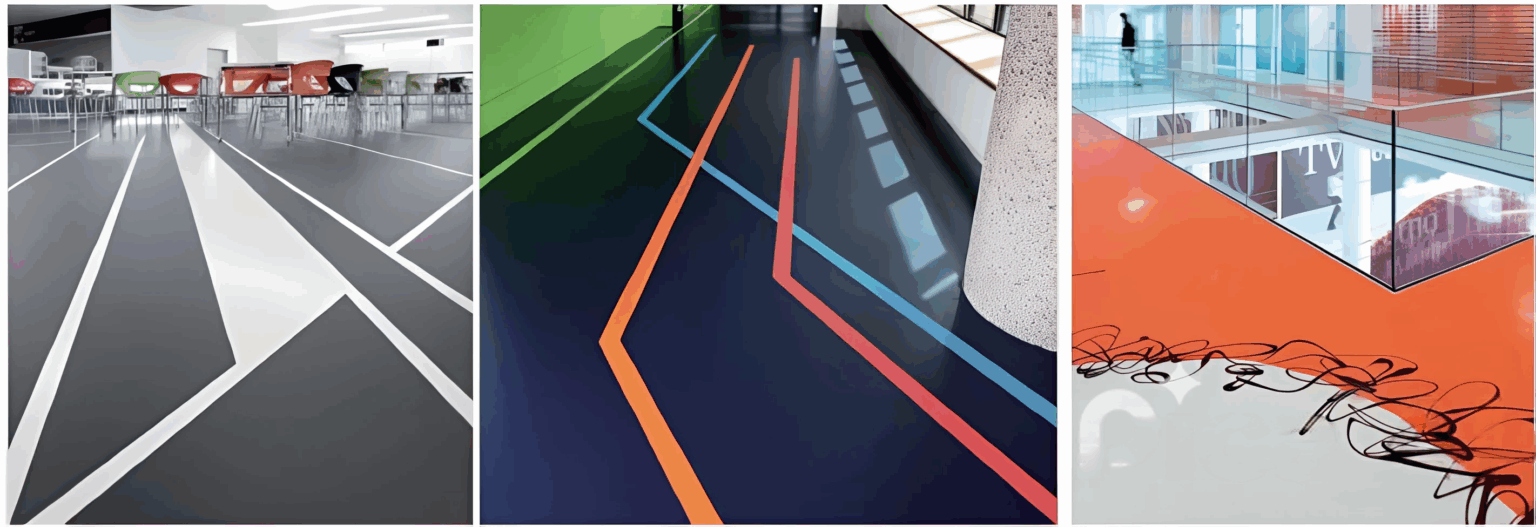
Classroom, lecture hall & meeting room
Library, reading room
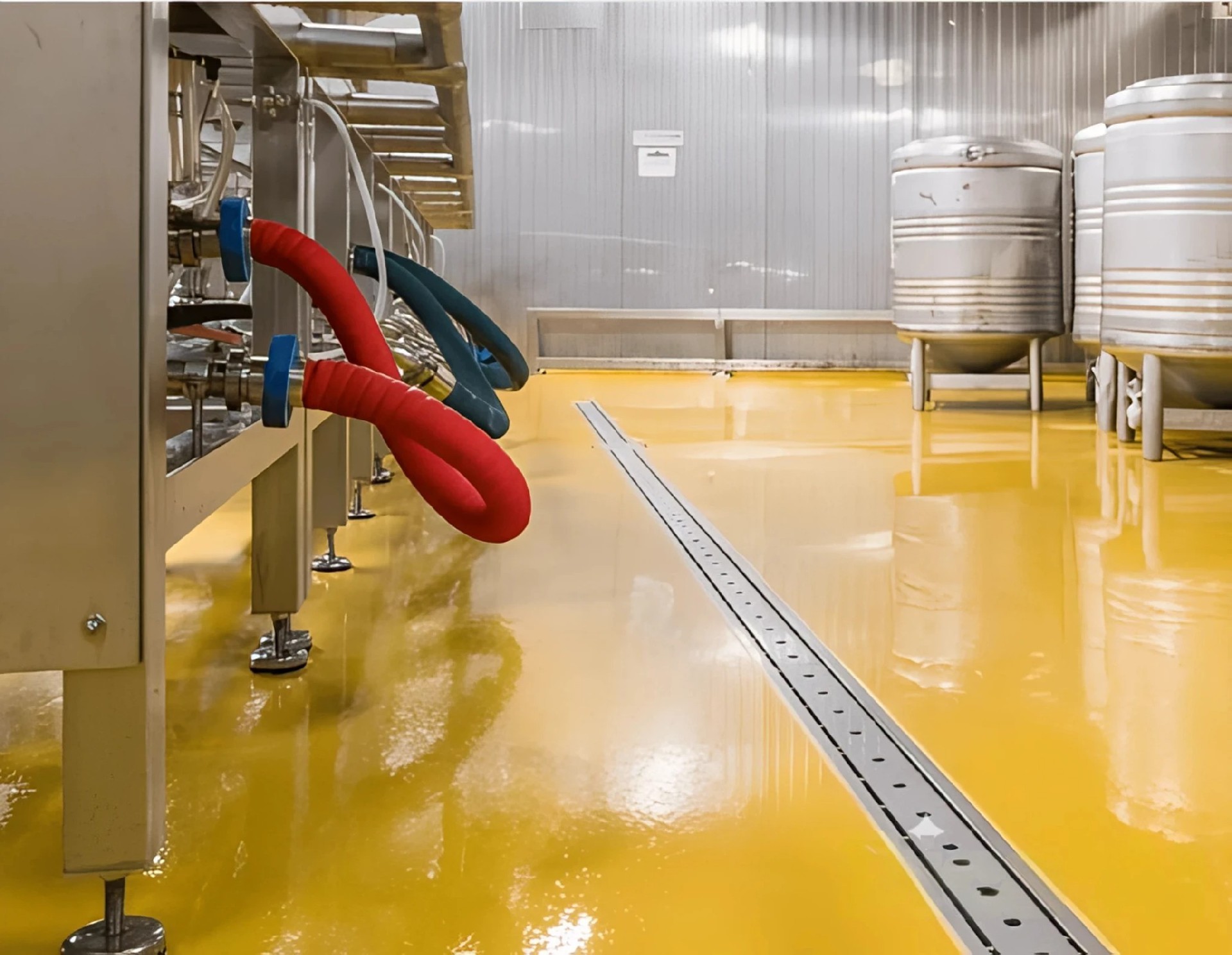
Kitchen, dining room
Laboratory
Waiting room

Requirements for limits on hazardous substances in floor covering materials (Type S)
| No. | Criteria | Limit |
| 1 | Volatile Organic Content (VOC> (g/L) | ≤ 120 |
| 2 | Free formaldehyde content (mg/kg) | ≤ 100 |
| 3 | Total benzene, toluene, ethylbenzene, xylene (g/kg) | ≤ 5 |
| 4 | Free Diisoamioester (TDI, HDI) limit on type of polyurethane (g/Kg) | ≤ 2 |
| 5 | Total ether glycol and ester, ether contents (mg/kg) | ≤ 300 |
| 6 | Free 4,4-diaminodiphenylmethane content (g/kg) | ≤ 10 |
| 7 | Soluble heavy metals (mg/kg) | |
| Lead(Pb) | ≤ 30 | |
| Cadmium (Cd) | ≤ 30 | |
| Chromium (Cr) | ≤ 30 | |
| Mercury (Hg) | ≤ 10 | |
| 8 | Total volatile organic content(TVOC), Emmision (mg/m) | ≤ 10 |
| 9 | Formaldehyde emmision (mg/m) | ≤ 0.1 |
High speed railway damping system
| Physical Properties | |
| Compression deformation rate (%) | 4.5~5.0 |
| Oil resistance (%) | < 4.3 |
| Resistance value (108 W) | > 8.0 |
| Tensile strength (MPa) | > 4.9 |
| Breaking elongation (%) | > 300 |
| After Aging | |
| Tensile strength (MPa) | > 5.0 |
| Breaking elongation (%) | > 500 |
| Static stiffness before durability (kN/mm) | 20~25 |
| Joint stiffness before durability test (kN/mm) | 25~28 |
| Static stiffness variation after durability test (%) | ≤20 |
| Join stiffness variation after durability test (%) | ≤20 |
| Sample thickness change after durability (%) | ≤10 |
PU fiber reinforced composite materials
| Physical Properties | |
| Appearance (A/B) | Amber/Brown |
| Viscosity at 25°C (A/B)(mPa.s) | 650±150/200±50 |
| Hardness (Shore D) | 86±5 |
| Density (g/cm3) | (1.20±0.1 |
| Elonggation at break (%) | (5±0.5) |
| Tensile strength (MPa) | 70±10 |
| Tensile modulus (MPa) | 3500±500 |
| Bending strength (MPa) | 90±10 |
| Flexural modulus (MPa) | 1800±200 |
| Temperature tolerance range | -30°C~80°C |
| Operational time | 30~60min |

Advantages of synthetic PU materials
High strength-to-weight ratio
High energy saving
Excellent corrosion resistant and weather resistant
Tailor-made properties for specific design conditions
Lightweight, easy to transport


Designed for manufacturing shoe sole and insole
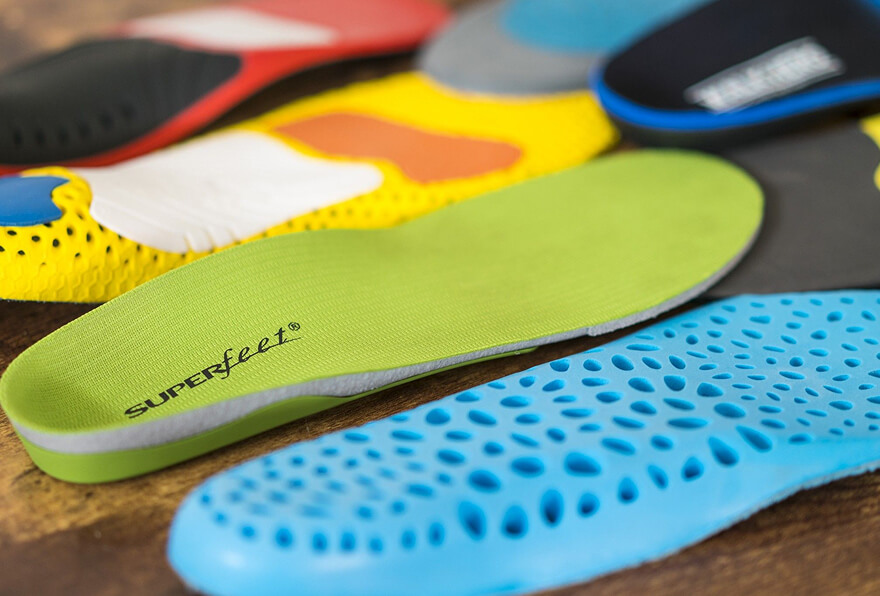
Designed for manufacturing shoe sole and insole
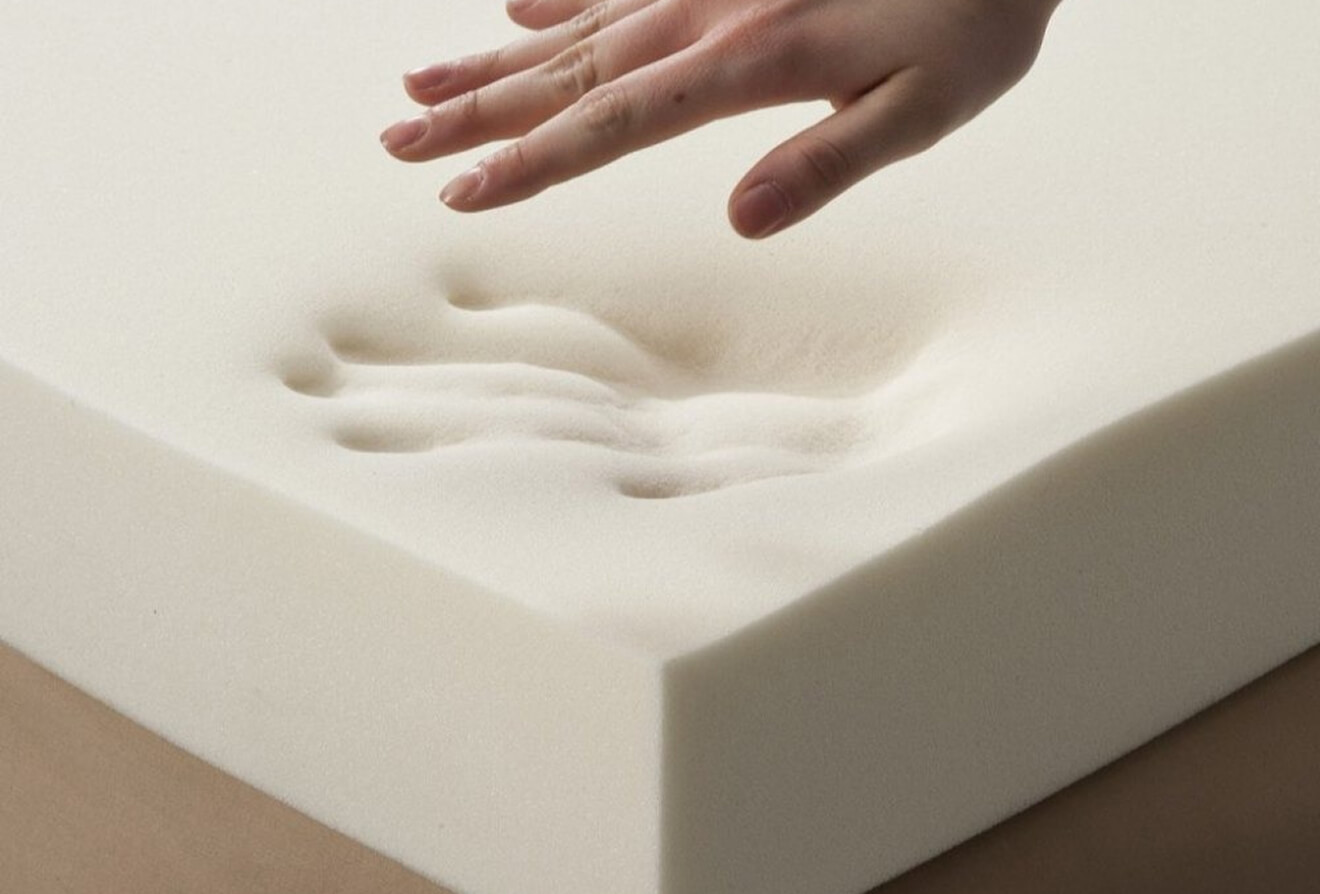
PU systems for manufacturing of car seat, motorbike saddle, mattress, pillow

These systems are specifically designed for manufacturing high-performance flooring, utility poles, traffic light poles, and gas tanks.

Ecomate® blowing agent technology was born from the innovation of the Foam Supplies Chemistry Department. The advent of ecomate® technology and its evolution has become yet another benchmark in Foam Supplies’s history of formulating superiority and proves once again Success Through Innovation
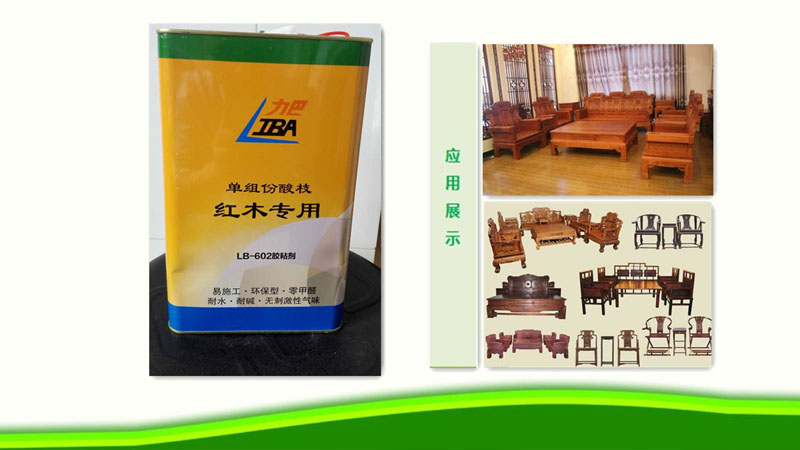
Mainly used for bonding various types of rosewood, it is an ideal glue for splicing rosewood and other hardwoods.

Polyurethane flexible foam refers to soft polyurethane foam plastic, which is a soft polyurethane foam material with a certain degree of elasticity. It is the most widely used type of polyurethane product.

Cast polyurethane elastomer (abbreviated as CPU) is the most widely used and highest-yield type of polyurethane elastomer.
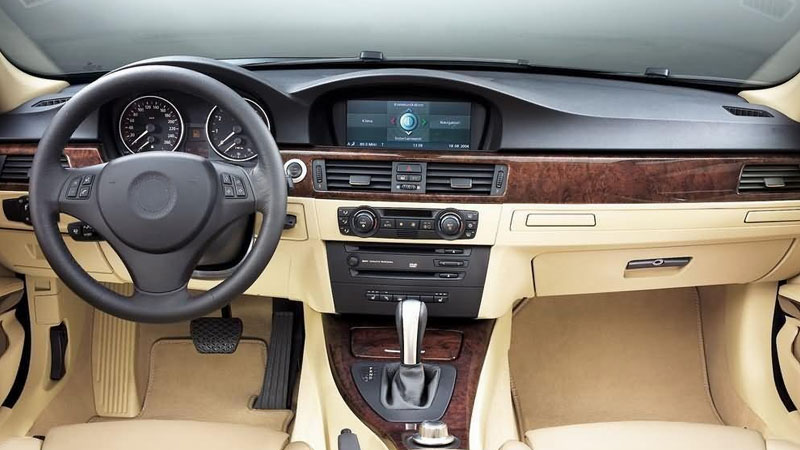
Energy-absorbing foam — Energy-absorbing foam has excellent shock absorption and cushioning properties, good compressive load resistance, and deformation recovery performance. Its most typical application is in the production of car bumpers.